 Previous
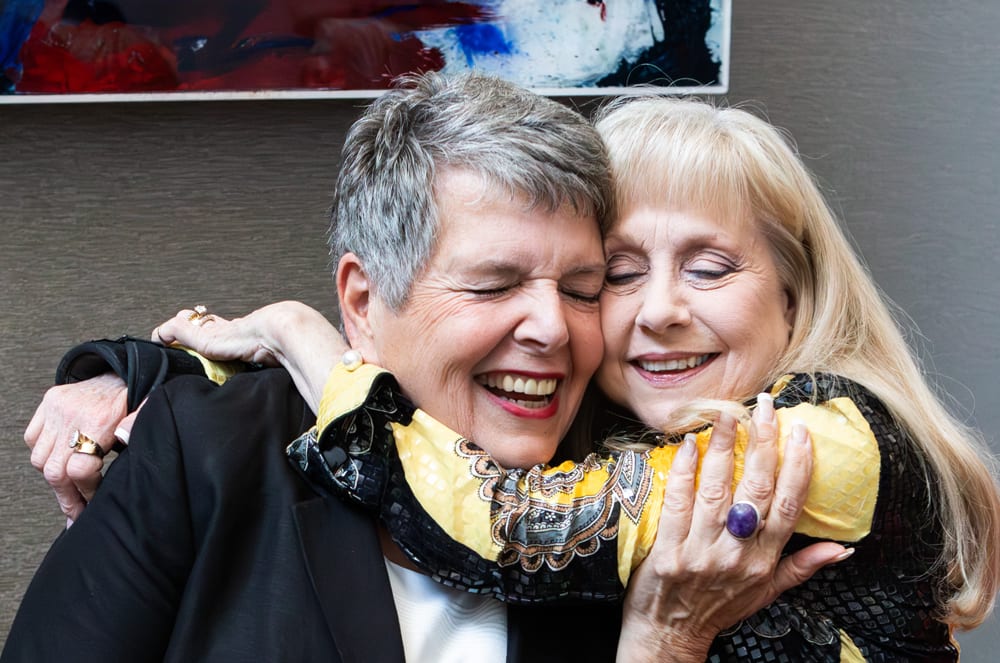
Like most Toastmasters, I attended my first club meeting to develop my public speaking and leadership skills. I had no idea that in the process, I would also gain a network of friends and colleagues—social capital that continues to enhance my life today in incalculable ways.
Put simply, social capital is the network of relationships that enables us to flourish within our community or society. It’s the social support and cohesion that comes from shared values, as well as mutual cooperation and trust. Doctors and social scientists say having these connections is vitally important for us to thrive in almost all areas of life, particularly in our physical and emotional health, and in our jobs and education. Having strong social capital floods the brain with dopamine, the “feel good” brain chemical that helps combat stress, long considered a boost to everything from proper immune system functioning to productivity.
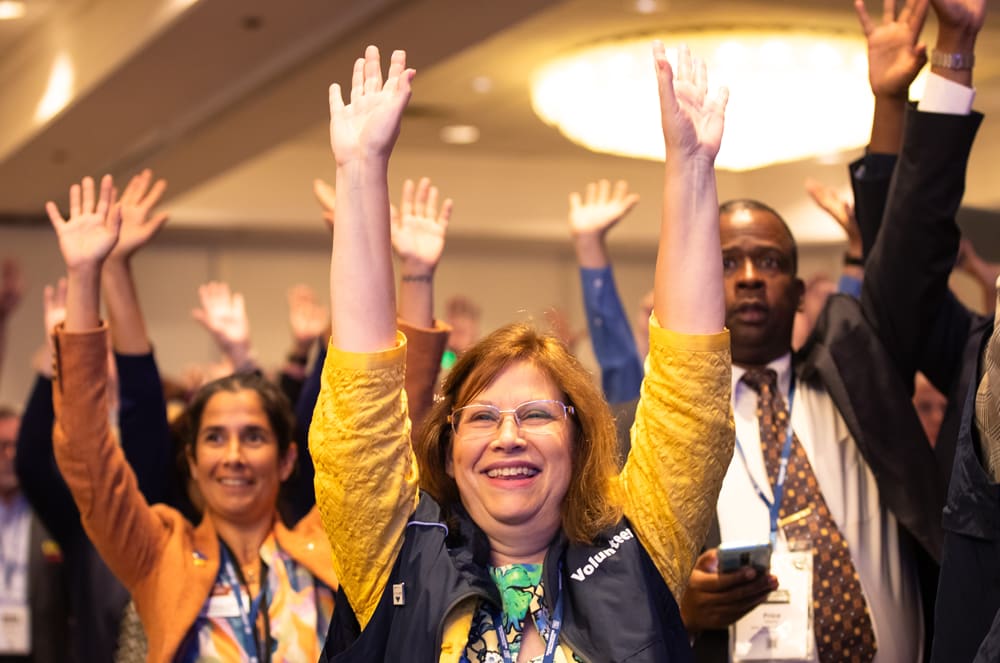
Groups provide a place where people can gather, socialize, and develop relationships.
Social groups—such as members of a church, a sports team, a school class, and yes, clubs such as Toastmasters—are a prime opportunity for building social capital. Such groups provide a place where people can gather, socialize, and develop relationships. Due in part to the rise of the internet, the polarization of views, and other global challenges, like the COVID pandemic, people are more reluctant to join groups.
All of this has resulted in what is being called “an epidemic of loneliness.” In fact, in 2023, the U.S. Surgeon General, Dr. Vivek H. Murthy, issued an 82-page advisory entitled “Our Epidemic of Loneliness and Isolation.” Calling social connection a “fundamental human need,” the report noted that the physical effect of isolation is equivalent to smoking 15 cigarettes a day, and may increase the risks of anxiety, depression, dementia, heart disease, and stroke, along with increasing susceptibility to respiratory illness and viruses.
Harvard social scientist Robert Putnam has bemoaned the lack of social groups primed for building social capital for decades. Putnam’s research is explored in a 2023 documentary, Join or Die, in which he makes the case for the value of joining clubs.
So how do we begin to form these self-healing relationships? That’s right. Toastmasters.
Toastmasters Social Capital in Action
According to Little Rock, Arkansas, psychiatrist Dr. Rhonda Mattox, DTM, Toastmasters is a natural cure for loneliness and isolation. Not only did she research the topic extensively, she knows it from personal experience.
“One of the many perks of my long tenure in Toastmasters,” Mattox writes on LinkedIn, “has not simply been the skill sets I learned that helped make me be a better ‘speakerpreneur,’ ‘docpreneur,’ employee, or mate, but the amazing group of lifelong learners and mentors that became like family in this phenomenal communication organization.” Mattox also gives a nod to Toastmasters in her list of 14 tips for self-care when encouraging followers to “Choose your tribe to support your vibe.”
During COVID lockdowns, Mattox found her Toastmasters club to be a lifeline. Even though the meetings were online, she came to rely on “that midweek dose of a little bit of normal with the people I had grown to love.” Maddox started inviting so many people to the meetings that in the span of a year, she was able to charter five more clubs expressly to combat the adverse effects of loneliness experienced by seniors, her fellow physicians, and her medical students.
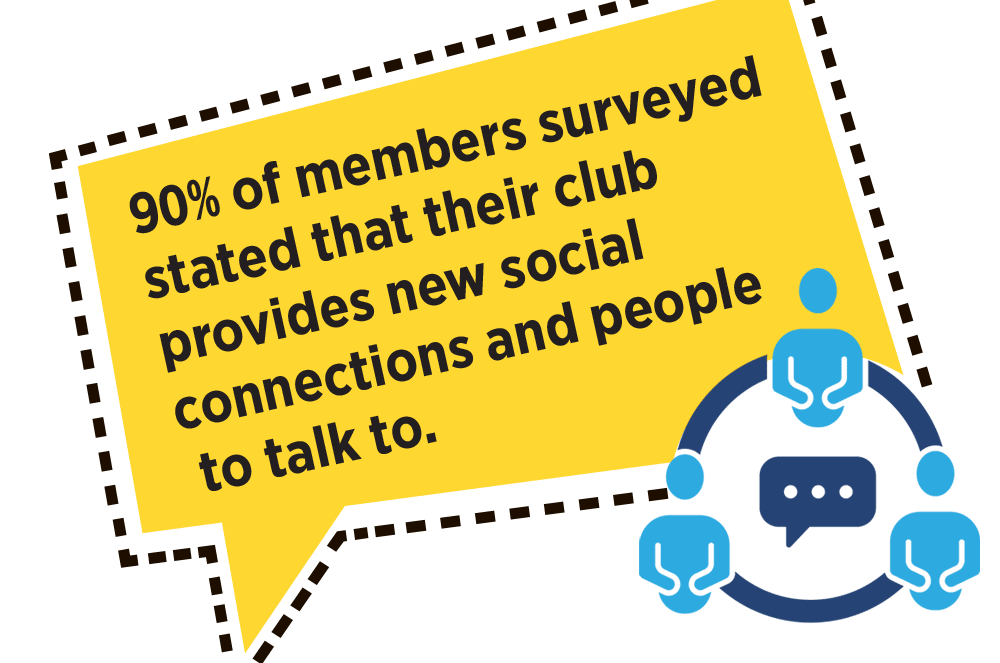
And Mattox is not alone in her belief in the connection-making power of Toastmasters. Inspired by Putnam’s documentary and research, the Toastmasters International Research and Analysis Team conducted its own study of social capital among members. Of those surveyed, 64% of members said there are “multiple people in their club they can turn to when feeling lonely.” Moreover, 72% believe that they can ask fellow members for positive job references. What’s more, a whopping 90% stated that their club provides new social connections and people to talk to.
7:35 minute video on the community effect: what 2,000 members taught us.
Taking It to the Next Level
While it’s wonderful that attending meetings can assuage loneliness, what if we seek a deeper connection?
Happiness expert and bestselling author Gretchen Rubin says, “Close relationships are a key—maybe the key—to a happy life.” In her article “How to Turn Acquaintances Into Friends,” Rubin distinguishes between friends and friendly acquaintances.
“With friends,” she writes, “we have close, long-term bonds; we can confide; we feel like we belong; we give and receive support; we trust.” In contrast, she notes, “With acquaintances, we may enjoy seeing them very much, but our relationship never progresses past the particular situation or moment that brings us together.” While Rubin underscores the importance of both types of relationships, she points out that friends are more valuable.
And, she says, it can be harder to make friends as an adult.
So how do we turn an acquaintance into a friend? Rubin suggests planning an activity together unrelated to how you know each other. If someone is a friend of a friend, send an individual text to the person outside of your group chat to get to know them better or invite them to do something with you.
As Toastmasters, it’s easy to see how clubs offer a wealth of possibilities for developing close friendships. For instance, you could invite someone to get coffee or do something related to a speech they gave, such as visit a museum exhibit you think they would enjoy. “The key is to put in the time and effort. Prepare to be the one to reach out, to suggest plans, to make the first move toward friendship,” Rubin says.
One of my own most important relationships was born out of attending a long-ago Toastmasters International Convention. It was held in my District, and I suggested another member and I carpool. In the car and over lunch, we launched our friendship.
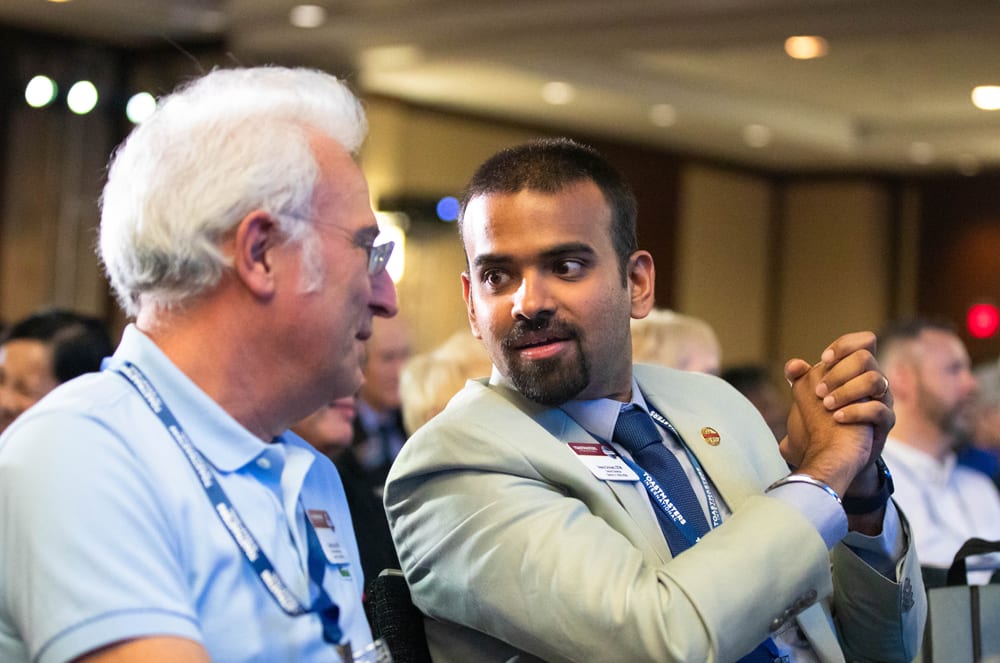
My Toastmaster friend was born in France and grew up in Venezuela, while I was born in the U.S. At first glance, we had very little in common. Our close friendship was an example of what Putnam calls “bridging capital”—a term that describes the type of social capital that builds bridges between people from different groups or cultures. In a 2024 article in The New York Times, he says that in today’s diverse society, we need to acquire a lot more bridging social capital.
As others besides me have experienced, Toastmasters is the perfect place to boost that type of connection. Sarah Khan, a Muslim former member of Toastmasters who moved from Bombay, India, to the U.S., is a speaker and trainer who shares her message of unity around the world. In the video “Toastmasters and Diversity,” she states that for her, “Toastmasters exemplifies unity and diversity.” Indeed, in the same Toastmasters study cited earlier, participants noted that the organization helps them step outside their usual circles and engage with diverse perspectives.
“Close relationships are a key—maybe the key—to a happy life.”
—Gretchen RubinA club meeting is an ideal place to build bridging social capital, because members are encouraged to listen without passing judgment on the content of a speech, and to share the learning process with people whose perspectives may vary greatly from their own. This in turn promotes personal growth.
Building Stronger Relationships Through Toastmasters
Toastmasters is hard-wired for building close connections. After all, you see the same people week after week. You share the same frustrations and successes on your journey through the program. You learn together how to better formulate your thoughts into words. Still, it can be hard for some to make that jump from friendly acquaintance to friend.
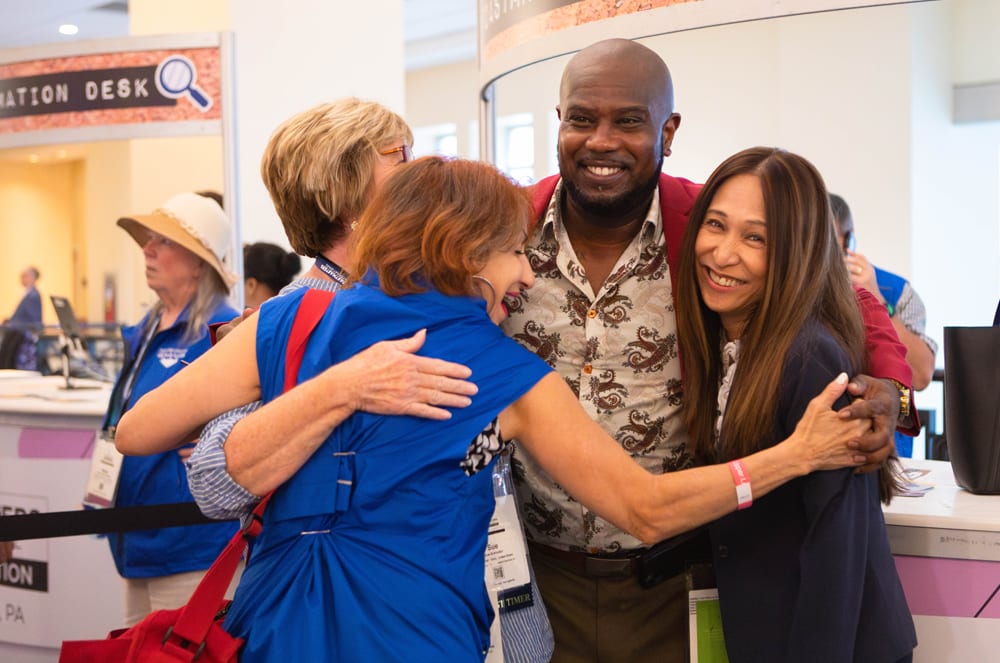
Here are some ideas to strengthen Toastmasters relationships:
- Become an officer. This allows you to work with a small group of equally committed members toward particular goals, getting to know each of them on a more individualized, intimate basis. What’s more, you see these people outside of formal meetings, giving you opportunities for sharing even more time together socially.
- Talk to your fellow members about their most recent speech topic if it’s something that resonates with you or that you share a common experience with.
- Ask questions. Alison Wood Brooks, associate professor at Harvard University and author of TALK: The Science of Conversation and the Art of Being Ourselves, says that people who ask more questions, especially follow-up questions, are better liked by those they converse with than those who don’t. After a club meeting, for example, you might walk out with an evaluator and ask about some of the points they made at the lectern.
- Practice call-backs. According to Brooks, a call-back is a reference to something a person said earlier. The author explains that we can show we’re listening “by calling back to something that’s been said before—repeating or re-contextualizing a catchphrase or idea from earlier in the conversation (or earlier in your relationship). This technique can be practiced in spoken and written conversations, such as texts and emails.” If someone mentioned in their Ice Breaker that they love animals, for example, you might “call back” to that when you’re looking for advice before adopting a new pet.
- Mentor another member. Mentoring gives a special dynamic to a relationship, not only because you are giving the gift of your experience and expertise, but also because you are both interested in the same goal: helping the member grow. You are also spending valuable one-on-one time together.
- Socialize after the club meeting. Stopping for a drink or snack after a meeting is a natural way to keep the connection going.
The key to building a strong relationship, of course, is to bring our best, most authentic selves to any encounter. With Toastmasters, we have an excellent head start.
Share this article


 How to Get Better at Get-Togethers
Caren S. Neile, PhD teaches, writes, and stockpiles social capital in Boca Raton, Florida. Visit her at carenneile.com
 Previous Article
Related Articles
Personal Growth
Finding Friendship in Toastmasters
President's Message
Fun and Friendship in Toastmasters

Personal Growth