 Previous
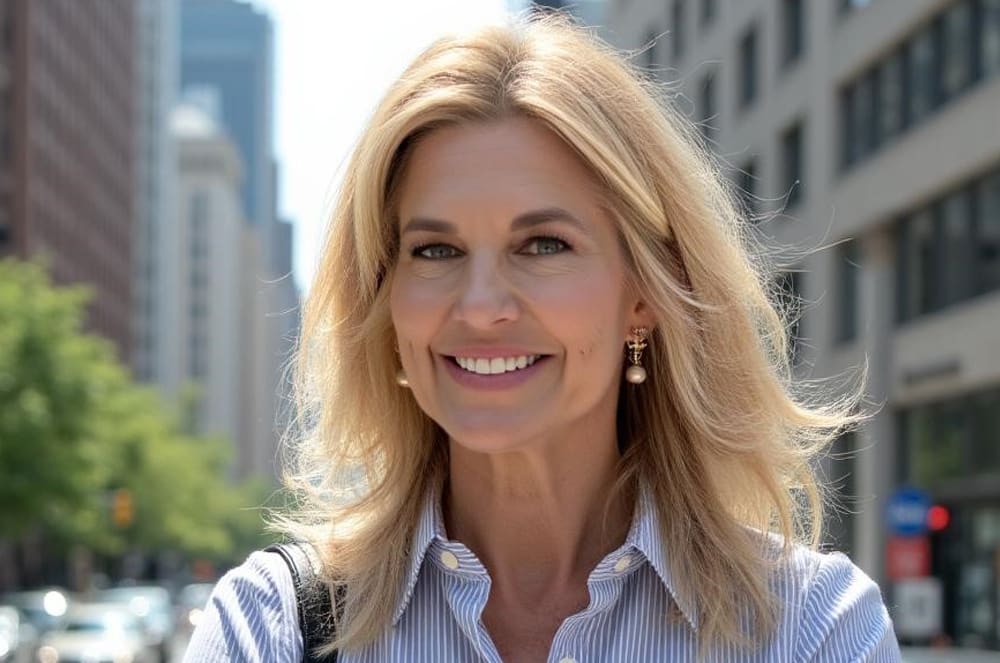
I initially joined Toastmasters when I was transitioning from counseling individual military spouses to delivering prepared speeches to larger groups on military bases across the United States. As a counselor, I relied on my listening skills, empathy, and analytical abilities—core competencies of my work. Yet, I struggled to communicate my ideas clearly and confidently in these larger military spouse settings. Even when I was sharing information in my areas of expertise, nervousness often trumped my preplanned messaging.
After years of speaking and participating at my club, I felt more calm, cool, and collected, even in front of hundreds of military spouses. I began communicating more effectively and was able to motivate others.
My speaking gigs grew and soon I was presenting on panels at the National Military Spouse Network, and speaking in front of hundreds at events like Heroes at Home and at a Marriage and Family conference. I even spoke in front of several thousand spouses at a Seventh-day Adventist conference, proving that with more practice you can impact more people.
I took a break from Toastmasters while my four children were busy with sports and activities, and during that time, I began writing fiction. When I started to think about publishing my first book, I realized I needed to learn how to share my work confidently with potential readers, connect with book clubs, and speak at libraries and book signings with ease. And with my communication often limited to the sidelines of sports fields and school events, even my casual conversations felt rusty.
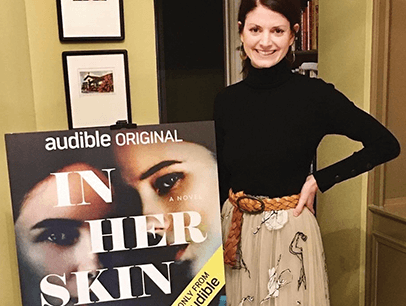
As a thriller-fiction author, writing under the pen name Addison McKnight, my books delve into suspenseful, high-stakes worlds filled with complex characters and unexpected twists. However, writing gripping stories is only half the battle. In the real world, my battle consists of moving the voice in my head to outwardly promoting the worlds I have created.
Toastmasters once again helped me find my voice and gave me the tools to engage with new audiences.
My lack of practice was particularly evident when I started practicing my book pitch for agents at a thriller-writers conference. I struggled, before remembering how much Toastmasters had helped me in the past. I remembered how practicing and receiving valuable feedback from other members improved my ability to be more concise and to present with more confidence, and I knew the supportive, structured environment would allow me to brush up the skills I needed to pitch and sell my fiction books. So I investigated rejoining, and my club was excited to have me back.
The more I attended club meetings—even if I didn’t have a speaking role—the more consistently I was able to organize my thoughts. Toastmasters once again helped me find my voice and gave me the tools to engage with new audiences. Today, I’m a published author of two books, and whether I’m discussing a therapeutic technique, podcasting, or speaking to people about publishing and the co-authoring process, the skills I’ve gained in Toastmasters have translated to my success.
There’s always room for improvement, and I know that continuing to work on my speaking skills will enhance my professional effectiveness and open doors to more book deals and speaking engagements, and, since part of being a commercial fiction success is becoming more mediagenic, maybe even help land a movie adaptation.
Toastmasters continues to be an essential part of my journey, as a counselor and coach, as a speaker, and as an author who wants to reach more readers. It is a way for me to more comfortably promote my counseling work and my fiction writing with authenticity and confidence.
Toastmasters teaches so much more than public speaking—it’s a lifelong learning lab where you can practice better listening and leading, and perhaps most importantly, it’s a place where you can find your authentic voice. These skills are transferrable and scalable, and you can drop in at different stages throughout your career.
The payoff isn’t just better speeches; it’s being able to serve broader audiences than you can in private practice. Making the commitment to show up and participate, even slightly, at meetings will lead to you becoming the best version of yourself.
Share this article


Krista Wells, Ph.D. is a licensed professional counselor and life coach and podcaster with a passion for working with women. She is the author of two novels under the pen name Addison McKnight; An Imperfect Plan and The Vineyard Remains. Learn more at kristawells.com
 Previous Article